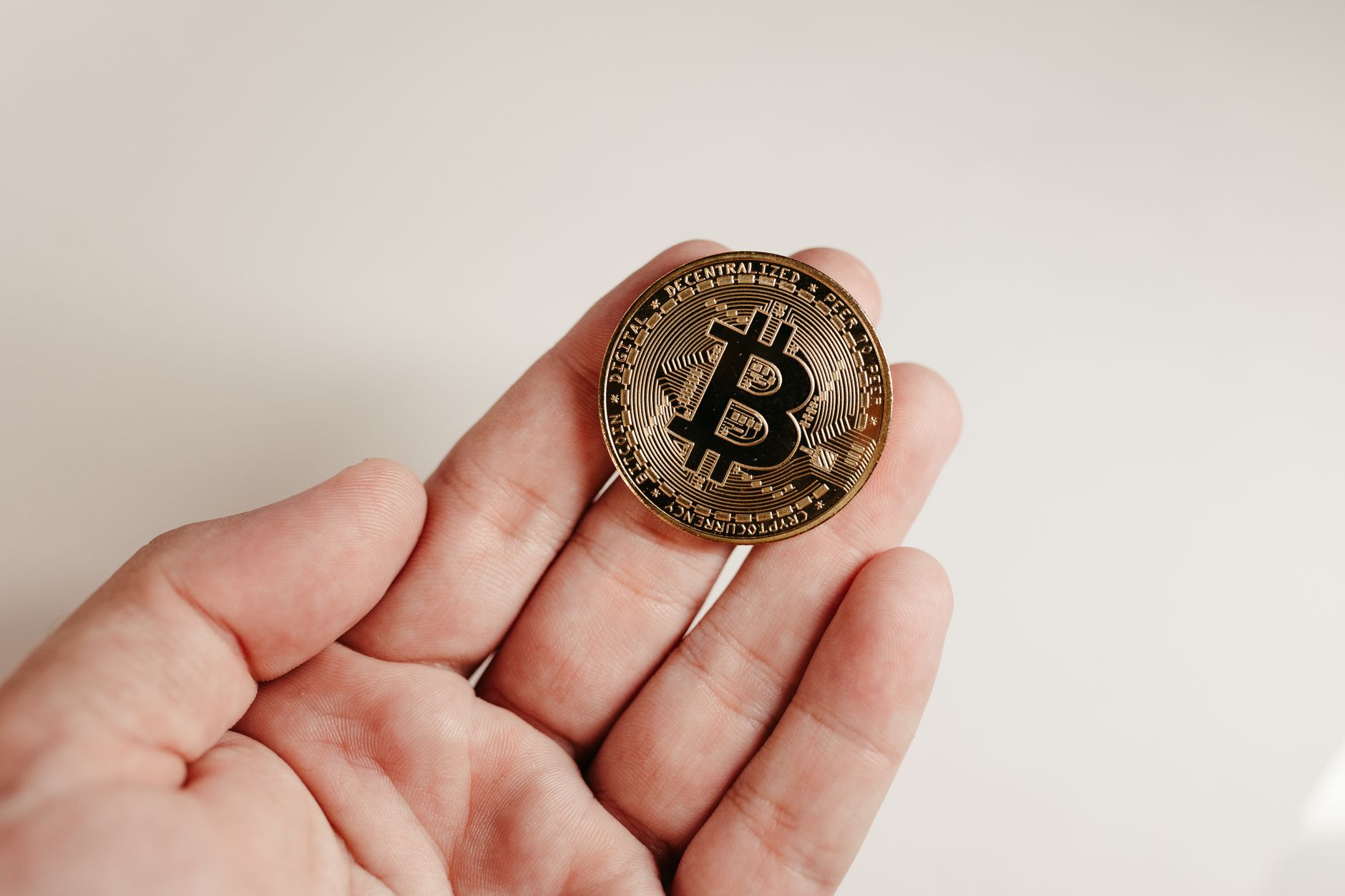
Beyond Bitcoin: Navigating the Diverse World of Crypto Deposits (What are your options and why do they matter?)
While Bitcoin (BTC) remains the undisputed king of cryptocurrency, its dominance in the deposit landscape is steadily evolving. Today, a multitude of alternative cryptocurrencies, known as altcoins, offer compelling advantages for users seeking faster transactions, lower fees, or enhanced privacy. Understanding these options is crucial for maximizing your digital asset experience. For instance, many platforms now accept Ethereum (ETH), renowned for its smart contract capabilities and bustling DeFi ecosystem, as well as Litecoin (LTC), often praised for its quicker block times. The diversity extends further to privacy coins like Monero (XMR), favored for its untraceable transactions, and even stablecoins such as USDT (Tether), which peg their value to fiat currencies, offering stability amidst volatile markets. This expansion beyond BTC signifies a maturing crypto landscape, providing users with more tailored solutions for their specific needs.
The significance of these diverse deposit options extends beyond mere choice; they directly impact your operational efficiency and financial outcomes. Consider a scenario where you need to make a rapid deposit to capitalize on a fleeting trading opportunity. Using a cryptocurrency with low transaction fees and fast confirmation times, such as Solana (SOL) or XRP (Ripple), could be the difference between profit and a missed opportunity. Conversely, if your priority is to hold value without exposure to market fluctuations, depositing stablecoins like USDC (USD Coin) provides a secure harbor. Furthermore, some platforms offer bonuses or reduced trading fees for deposits made in specific altcoins, creating additional incentives.
Understanding the unique characteristics of each crypto asset – its speed, cost, and underlying technology – empowers you to make informed decisions that align with your financial goals and risk tolerance.
Step into the exciting world of a crypto casino, where you can experience cutting-edge gaming with the added benefits of blockchain technology. These platforms offer enhanced security, faster transactions, and often a wider array of unique games compared to traditional online casinos.
Choosing Your Crypto Casino Deposit: Practical Tips & Common Questions Answered (From transaction fees to security, here's what you need to know)
Navigating the world of crypto casino deposits can feel like a minefield, but understanding the practicalities upfront will save you headaches and potential losses. The first crucial element to consider is transaction fees. These vary significantly between cryptocurrencies and even across different exchanges. For instance, Bitcoin (BTC) can have notoriously high fees during peak network congestion, while newer altcoins like Solana (SOL) or Litecoin (LTC) often boast much lower costs. Always check the network fees before initiating a deposit, as a seemingly small fee can eat into your bankroll, especially for smaller transactions. Furthermore, consider the speed of confirmation; some cryptocurrencies offer near-instant transactions, while others might require multiple confirmations, delaying your playing time. Researching these factors proactively is key to a smooth and enjoyable crypto gambling experience.
Beyond fees, security and anonymity are paramount when choosing your crypto casino deposit method. While cryptocurrencies inherently offer a degree of pseudonymity, the level of privacy can differ. Using a reputable, non-custodial wallet enhances your security by giving you full control over your private keys. Be wary of casinos that require excessive personal information for crypto deposits, as this can undermine the very benefits of using cryptocurrency. Another common question revolves around
"What if my deposit doesn't arrive?"In such rare cases, having the transaction ID (TxID) readily available is crucial for troubleshooting with both your wallet provider and the casino's support team. Always double-check the recipient address before confirming any transaction to prevent irreversible losses.