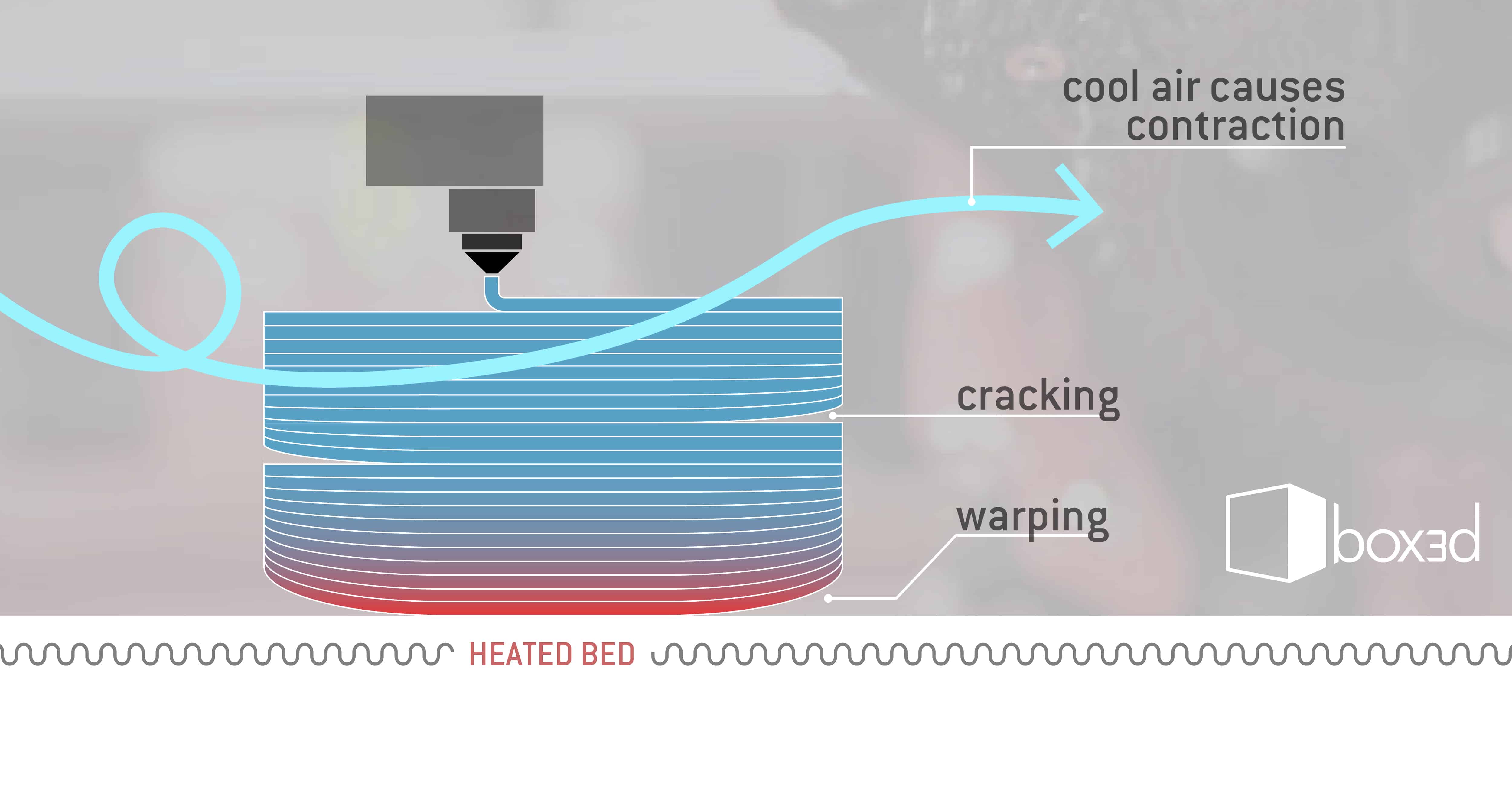
Top 5 Techniques to Avoid Print Cracks in Your Creations
When working on printed materials, avoiding print cracks is essential for maintaining the overall quality of your creations. Here are the top 5 techniques to keep those pesky cracks at bay:
- Choose the Right Paper: Selecting a paper that has good flexibility and durability can significantly reduce the chances of print cracks. Look for papers specifically designed for high-quality printing.
- Adjust the Thickness of Your Ink: Using a thinner ink layer can lessen the impact of print cracks. Experiment with different viscosities to find the perfect balance for your project.
- Optimize Your Design: Incorporate designs that have smooth transitions and avoid sharp edges. This helps in distributing stress evenly and minimizes the likelihood of cracking.
- Apply Coatings: Adding a protective coating to your prints can create a barrier against wear and tear, effectively reducing the chances of cracks forming.
- Monitor Environmental Conditions: Keeping an eye on humidity and temperature levels during printing can help maintain the integrity of your materials, preventing them from becoming too brittle.
By implementing these top techniques, you're not only enhancing the quality of your prints but also extending their lifespan. Whether you are an amateur or a seasoned professional, understanding how to prevent print cracks ensures that your creations look their best every time. Remember: a little extra attention during the printing process can go a long way!
If you're a fan of collecting cards and merchandise, visit our pokemon shop to find a variety of items that suit your style. From plush toys to rare card sets, there's something for every trainer!
Understanding the Science Behind Print Cracking: Causes and Solutions
Print cracking is a common issue faced during the printing process, particularly in the realms of screen printing and digital printing. This phenomenon occurs when the printed ink or material fails to adhere properly to the substrate or becomes compromised due to environmental factors. Key causes of print cracking include insufficient curing, improper ink formulation, and inadequate surface preparation. For instance, if the ink is not properly cured, it may remain too pliable or brittle, leading to cracks when subjected to stress. Additionally, using incompatible inks or applying them on unsuitable materials can exacerbate these issues.
To tackle print cracking, several preventive measures can be implemented. First, ensure that the printing surface is clean and properly prepped to enhance adhesion. Choosing the right ink type is also critical; for example, using flexible inks may reduce the risk of cracking on textile prints. Regularly examining the curing process for adequate heat exposure can further minimize these issues. Implementing these techniques not only helps to prevent print cracking but also improves the overall quality and longevity of the printed product.
Is Your 3D Print Cracking? Common Mistakes and How to Fix Them
If you’ve noticed your 3D print cracking, it can be frustrating, especially after investing time and resources into your project. One of the most common mistakes is improper bed adhesion. When your print doesn’t stick properly to the build surface, it can shift and crack during the printing process. To fix this issue, ensure that your bed islevel, clean, and adequately prepped for the chosen filament. You might also want to consider using adhesives like glue stick or painter's tape to enhance adhesion.
Another frequent culprit behind cracking is temperature fluctuations. Inconsistent temperatures can lead to warping or shrinkage, causing cracks in your finished product. To combat this, make sure your printer is in a stable environment, away from drafts or direct sunlight. Additionally, check your printer settings and consider using a temperature tower or PID tuning to maintain a consistent print temperature across the entire object.