The Science Behind Working Less: Unpacking the Productivity Paradox
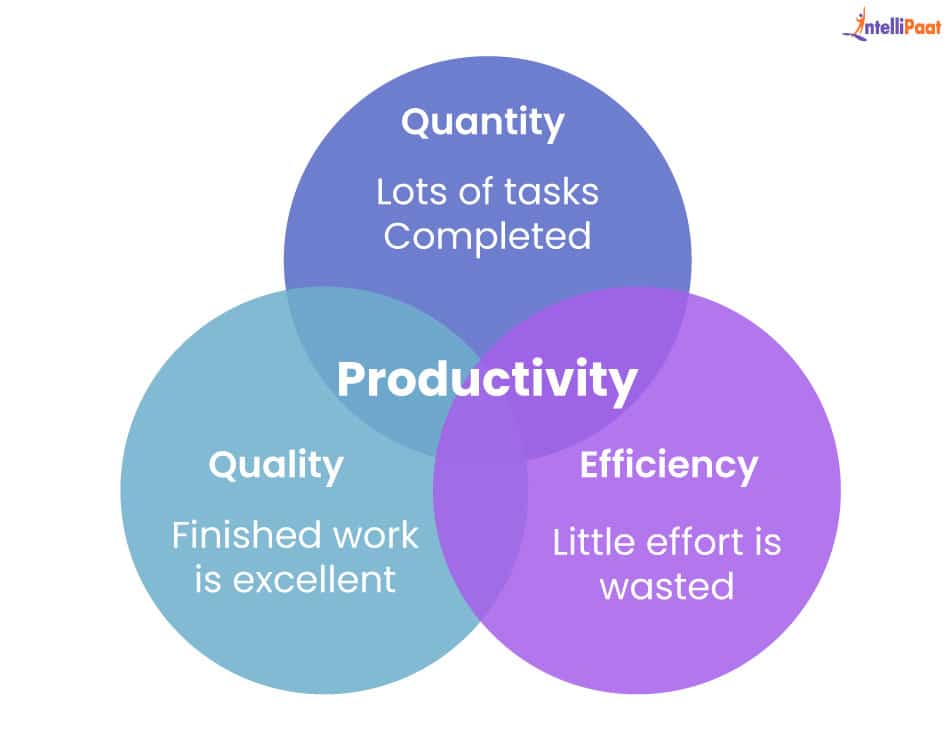
The productivity paradox suggests that working fewer hours can often lead to greater outputs, a concept supported by various studies in human psychology and team dynamics. Research indicates that when individuals are allowed to focus on work within a limited timeframe, they tend to prioritize essential tasks more effectively. This approach reduces burnout and enhances motivation, allowing for a more sustainable work-life balance. Ironically, the more we push ourselves to work longer, the less productive we can become. By recognizing the value of concentrated effort over extended hours, businesses are beginning to adopt policies like the four-day workweek to capitalize on this insight.
Moreover, the scientific backing for this mindset extends to cognitive function and creativity. Studies reveal that prolonged work hours can diminish our cognitive performance, leading to decreased focus and poorer decision-making. In contrast, short breaks and time off can rejuvenate the brain, fostering greater innovation and critical thinking. As organizations explore the correlation between time and productivity, it becomes evident that embracing a working environment that champions efficiency over hours logged can be the key to unlocking the full potential of employees. By unpacking the productivity paradox, we pave the way for a future where work is optimized not by duration, but by effectiveness.
Counter-Strike is a popular tactical first-person shooter game that has garnered a massive following since its initial release. Players compete in teams, typically as terrorists or counter-terrorists, to complete objectives such as planting or defusing bombs and rescuing hostages. For students looking to enhance their gaming experience, consider checking out the Top 10 MacBook Accessories for Students to improve performance and comfort while playing.
Is Less Really More? Exploring the Benefits of Minimal Work Hours
The concept of minimal work hours has gained traction in recent years as more professionals and companies explore the idea that working less can lead to greater productivity. By reducing the number of hours dedicated to work, employees often find they have more time to focus on their tasks, leading to improved quality of work. Research has shown that when employees feel less stressed and more rested, their creativity and problem-solving abilities increase, resulting in higher quality output. For starters, here are some key benefits of adopting minimal work hours:
- Increased productivity and efficiency
- Enhanced employee well-being and job satisfaction
- Reduced stress levels and burnout
Moreover, implementing minimal work hours can also facilitate better work-life balance, which is crucial for maintaining a healthy lifestyle. Employees who work fewer hours often have more time to spend with family, pursue hobbies, and engage in self-care practices. This holistic approach to work not only boosts morale but can also lead to lower turnover rates and improved retention for organizations. As more companies experiment with reduced work hours, they are realizing that the old adage 'less is more' may ring true when it comes to fostering a supportive and innovative work environment.
How to Implement a Reduced Work Schedule Without Sacrificing Output
Implementing a reduced work schedule can seem daunting, especially when you're concerned about maintaining productivity levels. However, with thoughtful planning and organization, it's entirely possible to achieve high output without the traditional 40-hour workweek. Start by assessing current workloads and identifying tasks that can be prioritized. Consider using productivity tools and techniques, such as the Pomodoro Technique or time-blocking, to ensure that your focused work sessions are uninterrupted and highly efficient.
Another effective strategy for a successful transition to a reduced work schedule is to foster open communication among team members. Encourage discussions about workloads and deadlines, and be open to feedback about processes that can be improved. Additionally, consider delegating tasks more effectively; by distributing responsibilities according to individual strengths, you can enhance overall productivity. Lastly, don't forget to regularly evaluate the outcomes of this new schedule, making adjustments as necessary to ensure you meet your goals without compromising on quality.