The Evolution of Wireless Technology: From Inception to the Modern Age
The journey of wireless technology began in the late 19th century, revolutionizing communication by eliminating the need for cumbersome wires. Guglielmo Marconi, often credited as the father of radio, successfully transmitted the first wireless signals in 1895, laying the groundwork for future innovations. The advent of radio waves marked a pivotal moment, widely adopted for maritime communication and later expanding into broadcasting. Over the decades, technological advancements such as AM and FM radio and television developed, making wireless communication accessible to the masses and setting the stage for the next waves of evolution.
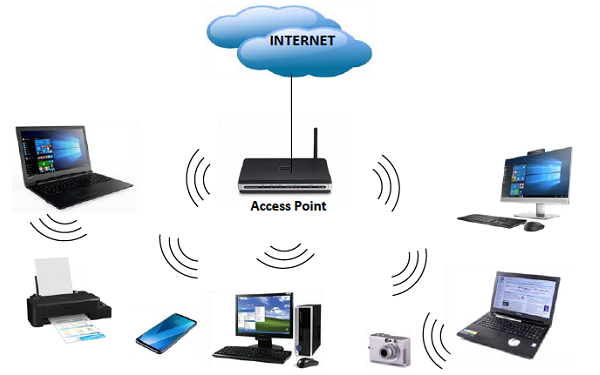
Entering the 21st century, wireless technology has seen exponential growth with the introduction of Wi-Fi, Bluetooth, and cellular networks. The emergence of smartphones catalyzed this transformation, allowing users to access the internet and connect with others anytime, anywhere. Furthermore, the rollout of 5G networks promises unparalleled speeds and connectivity, facilitating the rise of Internet of Things (IoT) devices that seamlessly interact. As we move forward, innovations in wireless technology continue to reshape our daily lives, highlighting the dynamic nature of this field and its integral role in modern society.
Counter-Strike is a highly popular first-person shooter game that has captivated players around the world since its release. Known for its intense gameplay and strategic team-based mechanics, it has established a thriving esports scene. For those looking to enhance their online communication during gameplay, consider checking out the Top 10 Earbuds for Meetings to ensure clear sound and effective communication with your team.
5 Key Benefits of Going Wireless: Why Cables Are Becoming Obsolete
In today's digital age, the shift towards wireless technology has become increasingly evident as more people opt for wireless solutions. The first key benefit of going wireless is the freedom of movement it offers. By eliminating the need for cumbersome cables, users can enjoy seamless mobility whether at home, in the office, or on the go. This flexibility is ideal for modern lifestyles where productivity often depends on the ability to connect devices effortlessly. Additionally, wireless devices are typically easier to set up and manage, reducing the clutter and hassle associated with tangled cords.
Another significant advantage is the enhanced convenience wireless technology provides. With devices transitioning to wifi connectivity, users can connect multiple devices without the need for physical connections. This capability makes it easier to share files, stream media, and communicate, all from a single device. Furthermore, wireless technology often comes equipped with advanced features like smart connectivity and automatic updates, allowing users to stay connected without constantly managing their network. As a result, it's no surprise that many consumers view cables as a relic of the past, paving the way for a wireless future.
Are We Ready for a Wireless Future? Challenges and Opportunities Ahead
As we stand on the brink of a wiresless future, it's crucial to explore both the challenges and opportunities this transformation presents. The rapid expansion of wireless technology has led to significant advancements in connectivity, making it possible for smart devices to interact seamlessly. However, the journey to a completely wireless world is not without its hurdles. Issues such as data privacy, network security, and the digital divide remain pertinent. These challenges must be addressed to foster an inclusive environment where everyone can benefit from new technologies.
Opportunities abound in a wiresless future, particularly in sectors such as healthcare, education, and entertainment. For instance, telemedicine can reach underserved areas, ensuring quality healthcare is accessible to all. Similarly, wireless education initiatives can enhance learning experiences for students across various demographics. As we embrace this technological shift, stakeholders must collaborate to develop robust infrastructures that support these advancements. The potential for innovation is immense, and by overcoming the challenges, we can pave the way for a truly connected society.