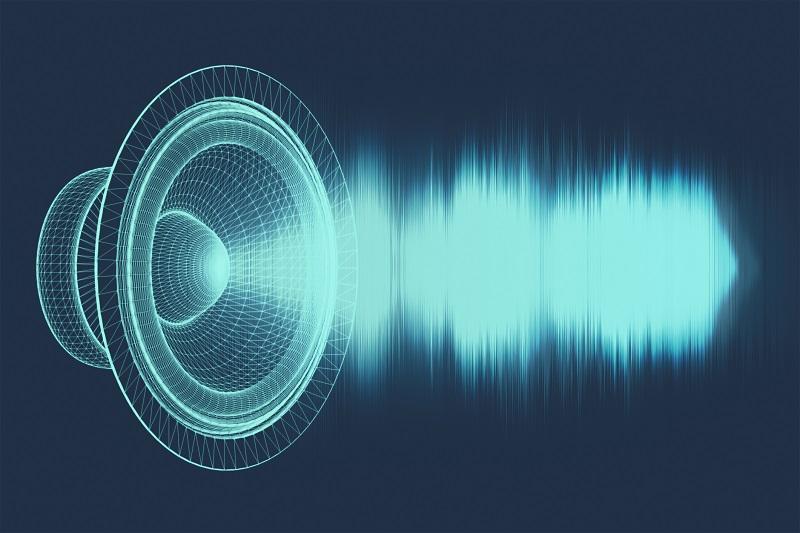
Exploring the Physics of Sound Waves: How Audio Dynamics Shape Our Experience
The physics of sound waves encompasses a fascinating study of how these waves travel through various mediums, impacting our auditory experiences. Sound waves are classified as mechanical longitudinal waves, meaning they require a medium to propagate, whether it be air, water, or solid materials. The speed, frequency, and amplitude of these waves shape the characteristics of the sound we perceive. For instance, higher frequencies correspond to higher pitches, while greater amplitudes lead to louder sounds. Understanding these principles can enhance our appreciation of music, speech, and the environment around us.
When exploring audio dynamics, we also encounter concepts such as pitch, volume, and tone. These factors influence how we interpret sounds in our daily lives. For example, the unique quality of an instrument's sound, known as its timbre, is a direct result of how various sound waves interact and resonate. This complexity fosters emotional responses and can significantly affect our mood and behavior. Hence, by delving into the physics of sound waves, we unlock a deeper understanding of not just audio mechanics, but also the profound effects sound has on our overall experience.
Counter-Strike is a highly popular tactical first-person shooter game that has garnered a massive following since its release. Players can choose to be part of either the terrorist or counter-terrorist team, engaging in various objective-based missions. For gamers looking to enhance their setup, consider checking out the Top 10 homepod stands to elevate their gaming experience. Strategy, teamwork, and precise shooting skills are essential for success in this competitive environment.
The Role of Frequency and Amplitude in Sound Wave Interactions
Understanding the role of frequency and amplitude in sound wave interactions is crucial for various fields, including music production, acoustics, and audio engineering. Frequency, which refers to the number of cycles a sound wave completes in one second, determines the pitch of the sound. Higher frequencies produce higher pitches, while lower frequencies yield lower pitches. On the other hand, the amplitude of a sound wave corresponds to its loudness, or how intense the sound appears to the listener. An increase in amplitude translates to a louder sound, while a decrease lowers the volume. Comprehending these two components is essential in mastering sound dynamics and achieving desired auditory effects.
When sound waves interact, their frequency and amplitude determine various phenomena such as interference and resonance. For instance, when two sound waves with the same frequency but different amplitudes encounter each other, they undergo constructive or destructive interference, enhancing or diminishing the overall sound. Additionally, in spaces like concert halls, the principles of resonance play a vital role; specific frequencies can cause the surrounding air or materials to vibrate, amplifying the sound. Thus, by carefully manipulating the frequency and amplitude, audio engineers can create rich soundscapes and ensure optimal acoustic performance in diverse environments.
Can Sound Waves Influence Our Emotions? Unpacking Audio Dynamics
Sound waves have a profound ability to influence our emotions, tapping into the intricacies of human psychology. From the soothing sounds of nature to the vibrant rhythms of music, audio dynamics can evoke a wide range of feelings. Research has shown that certain frequencies and melodies can induce feelings of happiness, relaxation, or even sadness. For instance, low-frequency sounds are often associated with relaxation, while high-pitched tones may create feelings of excitement or tension. Understanding how these sound waves affect our brain can help us harness their power for therapeutic purposes, such as in music therapy.
Moreover, the emotional impact of sound is not solely dependent on the music itself but also on context and personal experience. A familiar song can trigger nostalgic memories, while a particular soundscape can transport us back to a cherished moment. Different cultures and backgrounds also influence how we perceive sound and its emotional resonance. For example, certain instruments or musical styles may evoke strong feelings reflective of one's cultural heritage. In essence, exploring the relationship between sound waves and our emotions opens a fascinating dialogue on the profound effects of auditory experiences on our mental health.