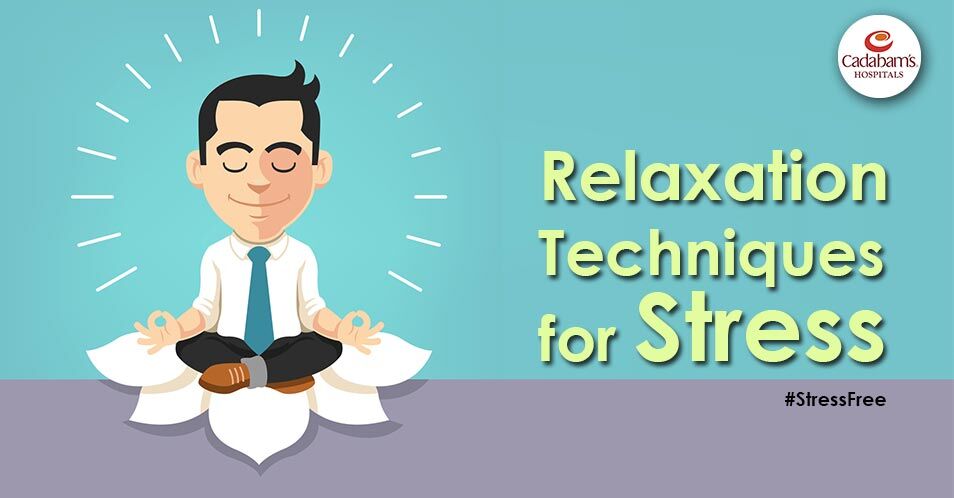
The Art of Doing Nothing: How It Transforms Your Productivity
In today's fast-paced world, the concept of The Art of Doing Nothing often feels counterintuitive. However, embracing quiet moments can significantly boost your productivity. When we constantly fill our schedules with back-to-back tasks, our brain becomes overwhelmed, leading to burnout and decreased efficiency. Instead, allowing yourself some time to simply exist—whether it's through meditation, leisurely walks, or just resting in silence—can rejuvenate your mind and enhance your ability to focus. Studies have shown that taking regular breaks increases cognitive function, making it easier to tackle complex problems when you return to your tasks.
The transformation of productivity through stillness is not just about taking a break; it's about reframing how we view rest. The art of doing nothing encourages creativity and promotes a healthier mindset. When you step back from the hustle, you create space for innovative thoughts and solutions to surface. So, whether you choose to spend time in nature, enjoy a hobby, or simply sit quietly, remember that every moment spent in peace can lead to greater clarity and improved performance. Ultimately, practicing this art offers a refreshing antidote to the relentless pressure of modern life.
Counter Strike Overview
Counter Strike is a highly popular tactical first-person shooter game that focuses on teamwork, strategy, and quick reflexes. Players can choose to play as either terrorists or counter-terrorists in various intense scenarios. For those looking to enhance their work environment, check out the Top 10 Tech Gifts for Office Workers that can help boost productivity and comfort. With frequent updates and a dedicated player base, Counter Strike has cemented itself as a staple in the world of competitive gaming.
5 Surprising Benefits of Embracing Laziness for Overachievers
In our fast-paced world, where productivity is often lauded as a virtue, it's surprising to discover that embracing laziness can offer unique advantages for overachievers. First, by allowing time for rest, you create space for your mind to wander and explore creative thoughts that may not surface during a frantic work pace. This can lead to innovative ideas and breakthroughs in your projects. Secondly, laziness encourages prioritization; it forces you to focus on what truly matters, helping to eliminate unnecessary tasks that eat up your time and energy, allowing for a more focused and efficient workflow.
A third benefit of embracing laziness is improved mental health. Overachievers often face burnout from constantly striving for excellence, but taking a step back can lead to greater resilience and happiness. Additionally, incorporating moments of laziness can promote better physical health; studies show that downtime contributes to recovery and rejuvenation, ultimately leading to healthier lifestyles. Finally, practicing controlled laziness also fosters a sense of balance in life, reminding overachievers that it's okay to take a break and enjoy moments of leisure, which are essential for long-term success.
Is Busy Always Better? Understanding the Power of Downtime in High-Pressure Lives
In today’s fast-paced world, many people equate busyness with productivity and success. However, it's essential to question Is Busy Always Better? The reality is that chronic busyness can lead to burnout, decreased creativity, and diminished overall well-being. Taking intentional breaks and embracing downtime can significantly enhance focus and efficiency. Research shows that stepping away from the chaos allows our minds to rest and recharge, leading to improved problem-solving abilities and innovative thinking. It's essential to recognize that rest is not a sign of weakness but rather a vital component of sustainable productivity.
Understanding the power of downtime involves acknowledging its role in our high-pressure lives. While it may seem counterintuitive, periods of inactivity are crucial for mental health and long-term success. Instead of feeling guilty about taking a break, consider incorporating downtime into your routine as an essential practice. Strategies could include setting aside specific times for relaxation, engaging in mindfulness activities, or taking brief walks to clear your mind. By prioritizing downtime, we can rejuvenate our minds, foster creativity, and ultimately lead a more balanced and fruitful life.