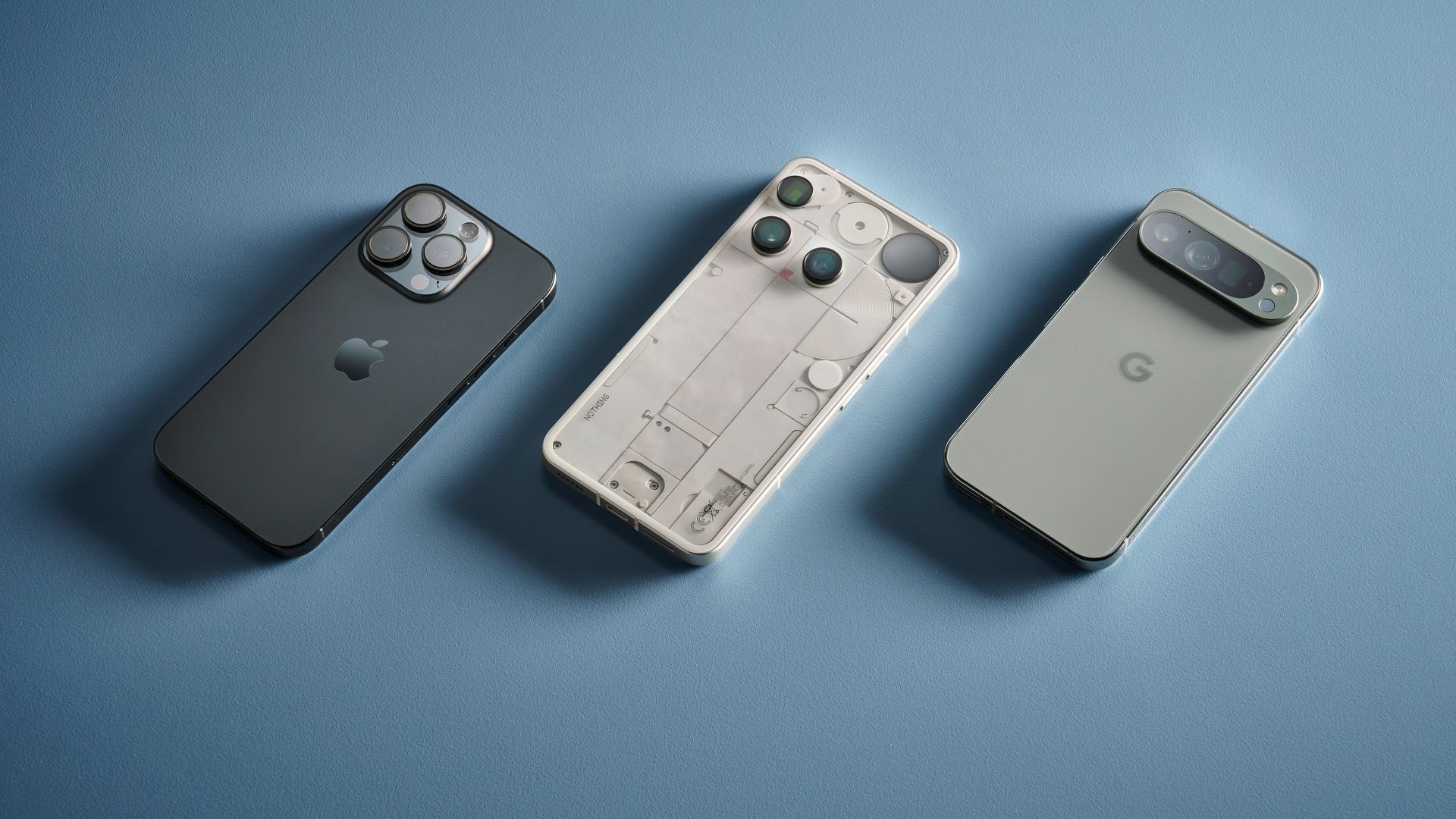
The Evolution of Smartphones: From Touchscreens to Foldables
The evolution of smartphones has been remarkable, transforming the way we communicate, work, and entertain ourselves. From the early days of basic mobile phones that could only make calls and send texts, the introduction of touchscreens revolutionized the user experience. Devices like the Apple iPhone in 2007 set the stage for a new era, making it possible to interact with applications and the internet seamlessly through intuitive touch interfaces. This shift not only changed smartphone design but also led to the rapid development of mobile apps, enabling users to access a plethora of services at their fingertips.
As technology continued to advance, the design of smartphones further progressed into innovative concepts, including foldable smartphones. These devices, such as the Samsung Galaxy Fold and Huawei Mate X, combine the functionality of a tablet with the portability of a smartphone, allowing users to multitask with ease. The introduction of flexible displays has expanded the possibilities for smartphone design, leading to more compact devices without sacrificing screen size. As we look to the future, it’s clear that the evolution of smartphones will continue to shape our digital interactions and redefine mobility.
Counter-Strike is a popular first-person shooter game that pits two teams against each other: terrorists and counter-terrorists. Players must work together to complete objectives, such as planting or defusing bombs, rescuing hostages, or securing locations. For those looking to enhance their gaming experience, check out the Top 10 magsafe wallets that can help you keep your gaming gear organized.
How Smartphones Have Transformed Communication and Connectivity
Since their introduction, smartphones have radically changed the way we communicate and connect with one another. Gone are the days of relying solely on voice calls or text messages; these powerful devices now enable instant communication through various platforms, including social media, emails, and video conferencing apps. According to recent studies, over 80% of the global population uses smartphones, highlighting their vital role in enhancing our connectivity. With just a few taps, individuals can share updates, photos, and even live streams, bringing friends and family closer, regardless of their physical location.
The transformation brought on by smartphones extends beyond mere communication; it has fostered a more interconnected world. Smartphone apps play a pivotal role in not only facilitating personal interactions but also in promoting professional networking and collaboration. For instance, applications like LinkedIn and Slack allow users to develop relationships and share resources effortlessly. As we continue to rely on smartphones for everything from organizing events to managing businesses, the evolution of connectivity shows no signs of slowing down, making them indispensable tools in our daily lives.
Are Smartphones Making Us Smarter or Dependence?
The debate surrounding whether smartphones are making us smarter or fostering dependence is increasingly relevant in today's digital age. On one hand, these devices offer unprecedented access to information, allowing users to learn about a vast array of subjects at their fingertips. Resources such as educational apps, e-books, and online courses empower individuals to enhance their knowledge and skills, potentially leading to greater intellectual advancement. According to a survey conducted by Pew Research, nearly 82% of smartphone users reported using their devices to gather information quickly whether at work, home, or school.
Conversely, the reliance on smartphones can lead to diminished cognitive abilities and an overdependence on technology. Many users find themselves reaching for their phones at every idle moment, which can disrupt critical thinking and problem-solving skills. This phenomenon, often referred to as ‘digital distraction,’ has been linked to reduced attention spans and a decline in memory retention. As a result, some experts caution that while smartphones can facilitate learning and productivity, they may also cultivate a dependency that hinders personal development and mental acuity.