The Science Behind Sound: How Keyboards Affect Your Mood
Sound has a profound impact on our emotions and cognitive function, and this is particularly true when it comes to the sounds of keyboards. Research in acoustics and psychology shows that different keyboard types produce varying auditory feedback, which can influence our mood and productivity. For instance, the satisfying click of a mechanical keyboard can evoke feelings of joy and satisfaction, prompting enhanced focus and creativity. Conversely, the muted sounds of a membrane keyboard may lead to a more subdued emotional state, which can either aid in concentration or lead to boredom, depending on the individual.
Moreover, the inherent characteristics of sound—such as pitch, volume, and rhythm—can elicit emotional responses in users. Studies suggest that the repetitive tapping of keys can create a sense of rhythm that helps to synchronize cognitive processes, resulting in improved workflow. This phenomenon, often referred to as the “flow state,” highlights the importance of creating an environment that resonates well with our sensory preferences. By choosing keyboards that produce sounds we enjoy, we can enhance our overall well-being and effectiveness in daily tasks.
Counter-Strike is a popular first-person shooter game that has gained a massive following since its release. Players engage in tactical gameplay, where teams compete to complete objectives such as bomb defusals or hostage rescues. For gamers looking to enhance their coding experience, check out the Top 10 Accessories for Coding with MacBook.
Choosing the Right Keyboard: Ergonomics and Happiness
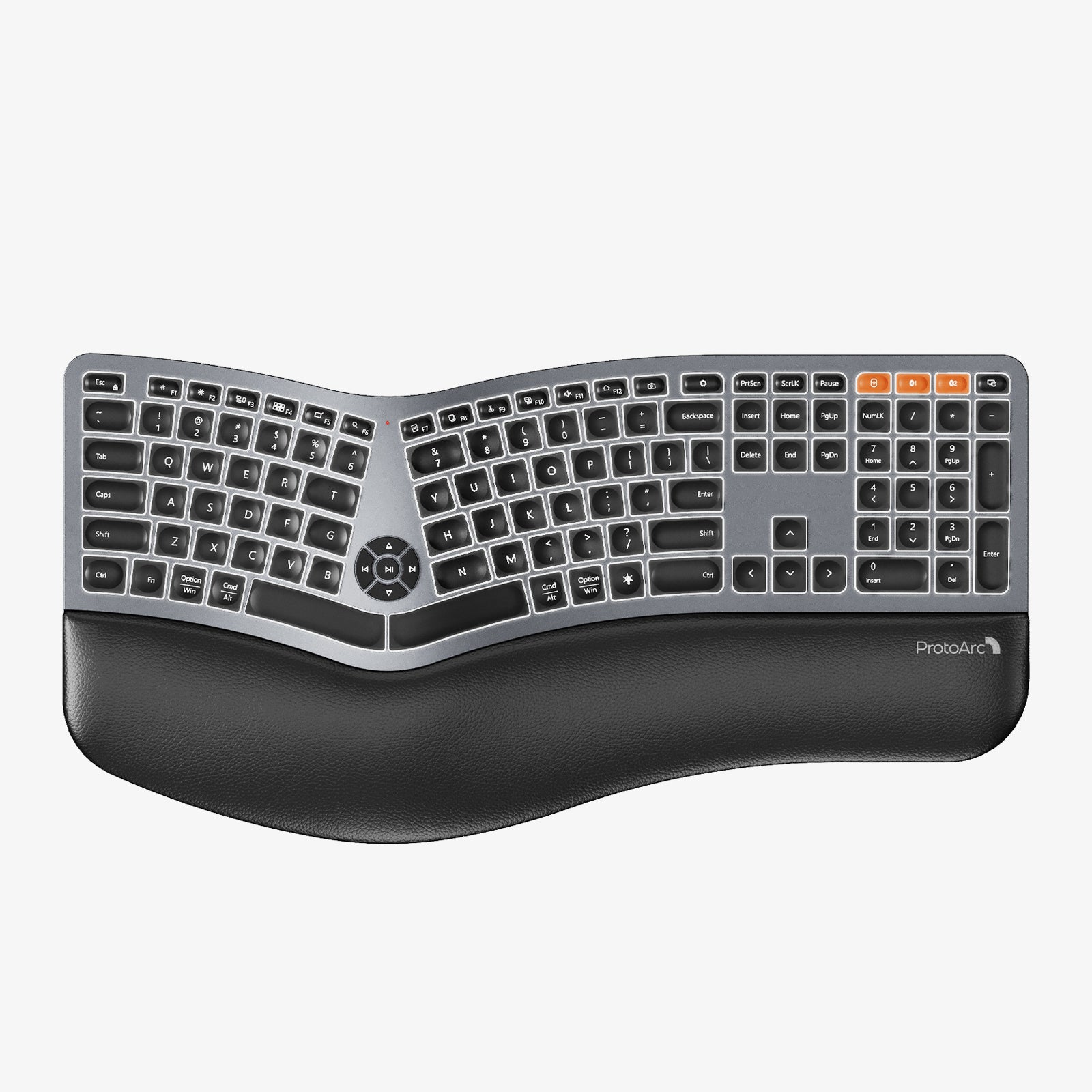
Choosing the right keyboard is essential not just for productivity, but also for your overall ergonomics and happiness. An ergonomic keyboard is designed to minimize strain on your hands and wrists, which is crucial for people who spend long hours typing. Consider options like split keyboards or those with a curved design that promotes a more natural hand position. Additionally, paying attention to features such as key travel distance, tactile feedback, and wrist support can greatly enhance your typing experience.
When selecting a keyboard, it's also important to consider your personal preferences and typing style. Some users may prefer mechanical keyboards for their satisfying click and durability, while others might favor membrane keyboards for their quiet operation. Ultimately, the right keyboard will not only contribute to your comfort and ergonomics but will also lead to increased happiness during your work or leisure activities. Take the time to test different models and find one that feels just right for you.
Can Typing Speed Impact Your Emotional Well-Being?
The connection between typing speed and emotional well-being is often overlooked, yet it plays a significant role in our daily lives. A faster typing speed can lead to increased productivity, which in turn can elevate feelings of accomplishment and satisfaction. When we complete tasks quickly, we are less likely to feel overwhelmed by deadlines. This can help to reduce stress levels and promote a more positive emotional state. Additionally, improving your typing skills can enhance your overall confidence, making you feel more competent in both personal and professional settings.
On the flip side, a slower typing speed might contribute to frustration and anxiety, especially in fast-paced environments where timely communication is crucial. When individuals struggle to keep up with the demands of their work or misspell words due to hurried typing, it can lead to feelings of inadequacy or embarrassment. To mitigate these issues, consider setting specific goals to gradually improve your typing speed. Engaging in typing practice can become a rewarding routine, ultimately fostering a sense of mastery and emotional stability.