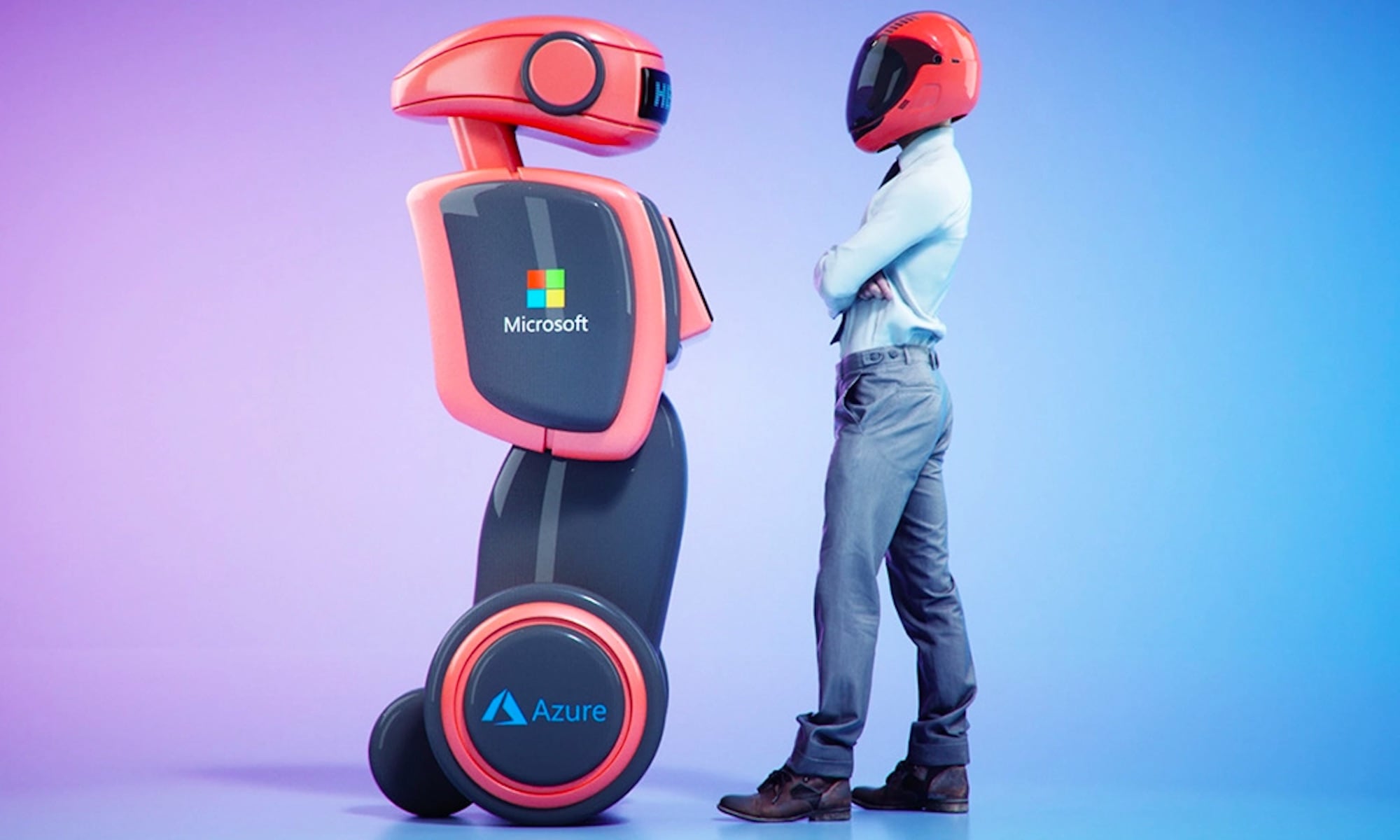
Top 10 Gadgets That Can Almost Think for Themselves
In today's fast-paced technological landscape, gadgets that can almost think for themselves are becoming increasingly prevalent. These innovative devices harness the power of artificial intelligence and machine learning to enhance user experience and efficiency. From smart home assistants to autonomous drones, the blend of practicality and cutting-edge technology is reshaping how we interact with our environment. Here, we present the top 10 gadgets that can almost think for themselves, each designed to make our lives easier and more connected.
- Smart Speakers: Devices like the Amazon Echo and Google Home utilize voice recognition and AI to respond to queries, play music, and control smart home devices.
- Robot Vacuum Cleaners: Gadgets such as the Roomba can navigate your home autonomously, learning the layout to clean more efficiently over time.
- Smart Thermostats: Products like the Nest Learning Thermostat adapt to your heating and cooling preferences, optimizing your home’s energy use.
- Wearable Health Monitors: Devices like the Apple Watch employ sensors and algorithms to track your fitness and alert you about potential health issues.
- Autonomous Drones: Technologies from DJI and others enable drones to survey property or capture aerial footage with little human intervention.
- AI-Powered Security Cameras: Cameras equipped with facial recognition technology can distinguish between friends and potential intruders.
- Smart Refrigerators: These high-tech fridges can inventory your food, suggest recipes, and even help you order groceries.
- Voice-Activated Assistants: Personal assistants like Siri and Google Assistant utilize natural language processing to understand and respond to your requests.
- Smart Locks: Devices such as the August Smart Lock offer keyless entry and remote access, learning your habits for enhanced security.
- Automated Plant Waterers: These gadgets can optimize the care of your plants by monitoring soil moisture levels and watering them as needed.
Counter-Strike is a popular first-person shooter game that has captivated millions of players around the world. It involves strategic gameplay, teamwork, and skillful shooting. Players can choose to play as terrorists or counter-terrorists, with each team having specific objectives. If you're also looking for accessories like chargers, check out the Top 10 magsafe chargers to ensure your gaming setup is complete.
How Smart Devices Are Revolutionizing Our Daily Lives
The advent of smart devices has significantly transformed the way we interact with our surroundings and manage our daily routines. From smart thermostats that learn our heating preferences to voice-activated assistants that respond to our commands, these devices enhance convenience and efficiency. For instance, consider how a smart home system can allow users to control lighting, security, and even appliances with just a simple voice command or a tap on their smartphone. This interconnectivity not only saves time but also promotes energy efficiency, benefiting both our wallets and the environment.
Furthermore, smart technology is revolutionizing the way we approach health and wellness. Wearable devices, such as fitness trackers and smartwatches, monitor our physical activity, sleep patterns, and heart rates, helping us make informed decisions about our health. By providing real-time data and personalized feedback, these devices enable users to set and achieve fitness goals more effectively. Additionally, apps that connect with smart devices allow for remote consultations with healthcare professionals, making healthcare more accessible while ensuring that patients receive the attention they need from the comfort of their homes.
Could Your Smart Home Devices Be the Next Social Media Influencers?
In today's digital age, the notion of smart home devices evolving into social media influencers might seem far-fetched, yet it is becoming increasingly plausible. With the proliferation of internet-connected gadgets such as smart speakers, thermostats, and cameras, these devices are accumulating immense amounts of data about our preferences, behaviors, and routines. As they become more capable of analyzing and responding to user behavior, there is potential for these devices to generate tailored content that aligns with users' lifestyles and interests. Imagine a smart refrigerator recommending recipes based on the food inside, or a smart thermostat suggesting energy-saving tips that not only optimize home comfort but also promote sustainable living through social media channels.
Furthermore, the idea of smart home devices acting as influencers taps into the growing trend of autonomous marketing. These devices could engage with audiences through platforms like Instagram or TikTok, sharing insights and ideas that demonstrate their utility while promoting brands. For instance, a smart garden system could showcase how to grow organic vegetables while highlighting related products from eco-conscious companies. As households adopt more of these interconnected systems, the relationship between consumers, technology, and marketing will continue to evolve, transforming our understanding of what it means to be an influencer in the digital landscape.