How Your Chair Affects Your Posture: Understanding Ergonomics
Your choice of chair plays a critical role in determining your overall posture. An ergonomically designed chair supports the natural curvature of your spine, promoting a more upright position that can prevent discomfort during long hours of sitting. Poorly designed chairs, on the other hand, can lead to slumping and excessive strain on the back, which can result in chronic pain. To enhance your posture, it is essential to look for features such as adjustable height, lumbar support, and seat depth that allow you to personalize the fit to your body.
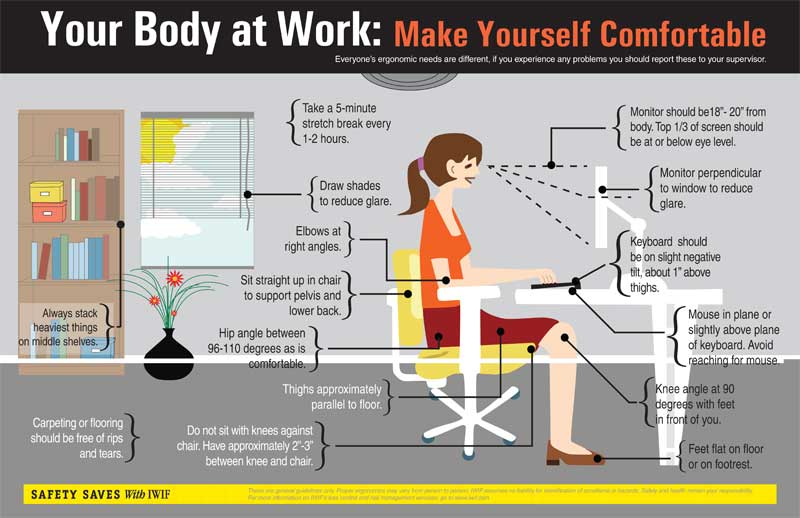
Additionally, the way your chair is adjusted can significantly impact how you sit. For optimal posture, your feet should rest flat on the floor, and your knees should be at hip level or slightly below. Utilizing ergonomics principles, consider incorporating features like armrests to take stress off your shoulders, and make sure your monitor is at eye level to prevent neck strain. By understanding these elements, you can make informed choices about your seating arrangements, ultimately contributing to better posture and overall health.
Counter-Strike is a popular first-person shooter game that pits teams of terrorists against counter-terrorists in various game modes. The tactical gameplay and emphasis on teamwork have made it a staple in the eSports community. For gamers looking to enhance their home setup, you might want to check out the Top 10 work from home accessories to create the perfect gaming environment.
The Hidden Health Risks of Poor Chair Design
The design of a chair is often overlooked when considering overall health, yet poor chair design can lead to a myriad of health issues. Ergonomically unsound chairs that lack lumbar support can contribute to chronic back pain, poor posture, and even spinal misalignment. A study by the American Physical Therapy Association suggests that inadequate seating can exacerbate these problems, leading to long-term musculoskeletal disorders. Moreover, when a chair is too high or too low, it can create strain on the knees and hips, causing discomfort and even injuries over time.
Additionally, sitting for prolonged periods in a poorly designed chair can affect circulation and lead to conditions such as deep vein thrombosis (DVT) or varicose veins. Poorly designed seating often encourages a slouched position, limiting blood flow and putting pressure on vital organs. To mitigate these hidden health risks, it is crucial to invest in chairs that promote proper posture and comfort. Consider features like adjustable height, supportive backrests, and cushioning that enhances circulation to ensure that your seating choice contributes positively to your overall health.
Is Your Chair Working Against You? Tips for Ergonomic Seating
Many people underestimate the impact of their seating arrangement on overall health and productivity. An improperly positioned chair can lead to various ailments such as back pain, neck tension, and poor posture. To ensure your ergonomic seating is working for you instead of against you, start by assessing your chair's height. Your feet should be flat on the ground, and your knees should be at a 90-degree angle. If your chair is too high or too low, consider using a footrest or an adjustable chair to maintain proper alignment.
Another essential aspect of ergonomic seating is lumbar support. A chair that offers adequate lower back support can help prevent discomfort during long hours of sitting. Aim for a chair with adjustable lumbar support that conforms to the natural curve of your spine. Additionally, take breaks to stand, stretch, or walk around every hour to promote circulation and reduce strain. Implementing these tips can dramatically improve your comfort and productivity while working.