The Hidden Costs of Poor Ergonomics: How Your Chair Affects Your Health
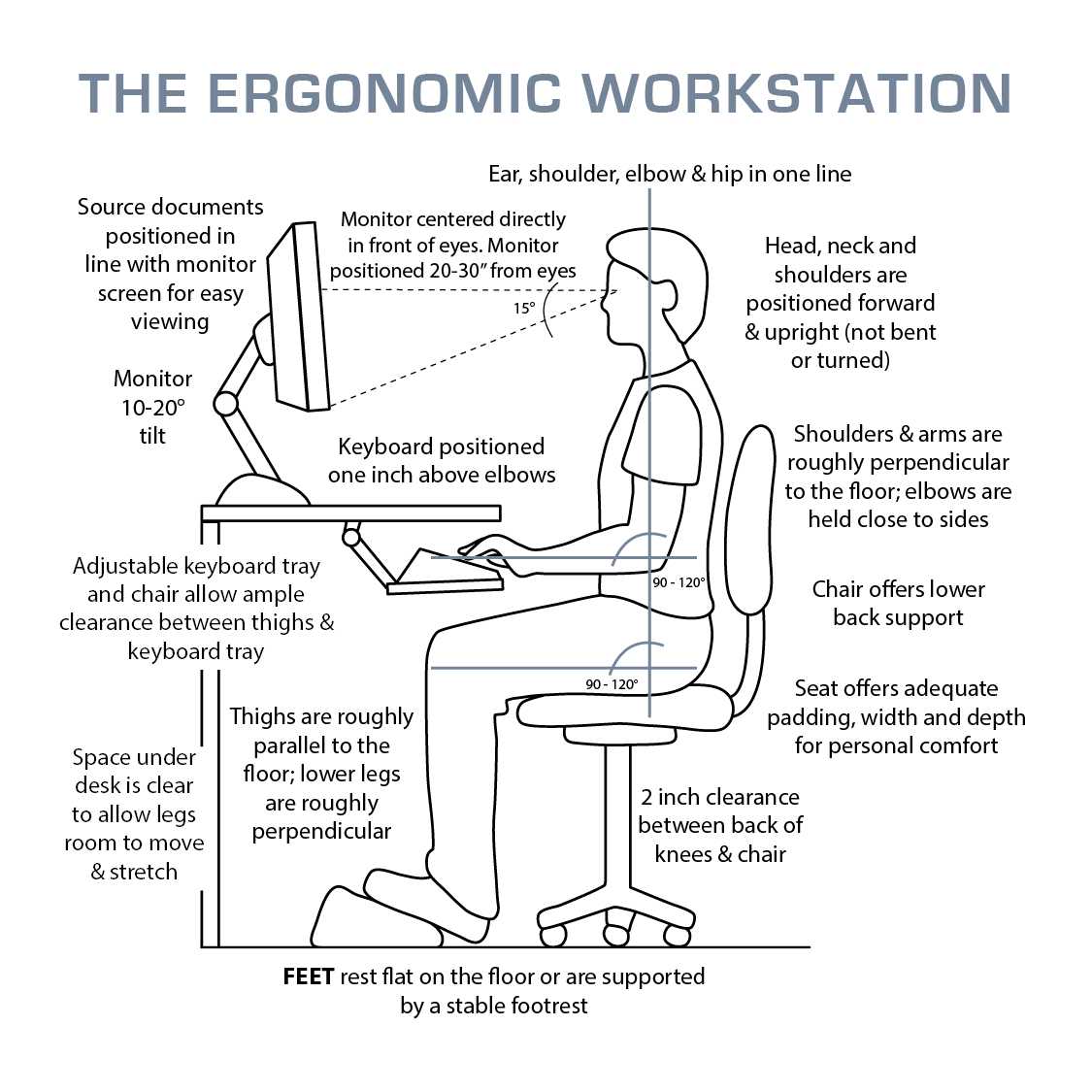
In today's fast-paced work environment, many individuals underestimate the hidden costs of poor ergonomics. One of the most significant culprits is the office chair. A chair that lacks proper support can lead to a range of health issues, including chronic back pain, neck strain, and even long-term musculoskeletal disorders. According to the Occupational Safety and Health Administration (OSHA), ergonomic-related workplace injuries result in billions of dollars in lost productivity each year. Investing in a quality chair not only boosts comfort but also plays a crucial role in preventing these debilitating conditions.
Moreover, the impact of a poorly designed chair extends beyond physical discomfort. It can adversely affect mental health and productivity. For example, individuals who experience discomfort are more likely to encounter distractions, leading to decreased focus and efficiency. A study from the National Institutes of Health highlights that ergonomic improvements in the workplace can enhance overall employee well-being. To mitigate these hidden costs, consider the following tips:
- Choose a chair with adjustable height, lumbar support, and armrests.
- Take regular breaks to adjust posture and relieve tension.
- Incorporate standing desks or alternative seating options for variety.
Counter-Strike is a highly popular first-person shooter game that pits teams of terrorists against counter-terrorists, with a focus on strategy and teamwork. Players can customize their loadouts and choose from a variety of maps, enhancing the gameplay experience. If you're looking to elevate your gaming setup, check out the Top 10 MacBook Accessories for Office that can boost your efficiency and gameplay. With its competitive scene and regular updates, Counter-Strike continues to be a favorite among gamers around the world.
Ergonomic Chair vs. Regular Chair: Which One is Right for You?
When it comes to choosing between an ergonomic chair and a regular chair, the decision largely hinges on your personal needs and work habits. An ergonomic chair is specifically designed to support your body, promoting good posture and reducing strain on your spine during long hours of sitting. These chairs often come with adjustable features that cater to individual preferences, such as seat height, lumbar support, and armrest position. In contrast, a regular chair may prioritize aesthetics or cost over comfort, potentially leading to discomfort and fatigue over time.
Thus, if you spend a significant amount of time at your desk, investing in an ergonomic chair could be a wise choice for your health. For those who only sit occasionally or prioritize budget over comfort, a regular chair may suffice. Ultimately, evaluating your lifestyle and how much time you spend seated can guide you to the right decision. Consider your priorities: comfort, support, and long-term health should typically take precedence when making your selection.
Top 5 Signs Your Office Chair is Causing You Pain
One of the most noticeable signs your office chair is causing you pain is the persistent discomfort you feel in your back. If you find yourself constantly shifting positions or struggling to maintain good posture, it may be time to reevaluate your seating. An office chair that lacks proper lumbar support can lead to chronic backaches and even contribute to long-term musculoskeletal issues. Pay attention to how your back feels at the end of the day; if it's sore, your chair might be to blame.
Another significant indication is the presence of numbness or tingling in your legs or arms after prolonged sitting. This could mean that your chair isn’t providing adequate support and is restricting blood flow. If you’ve experienced this discomfort more than once, consider adjusting the chair height or switching to a model designed for ergonomic support. The right office chair should allow you to sit comfortably for hours without the risk of circulatory issues.